Living in Sheffield: Complete Area Guide
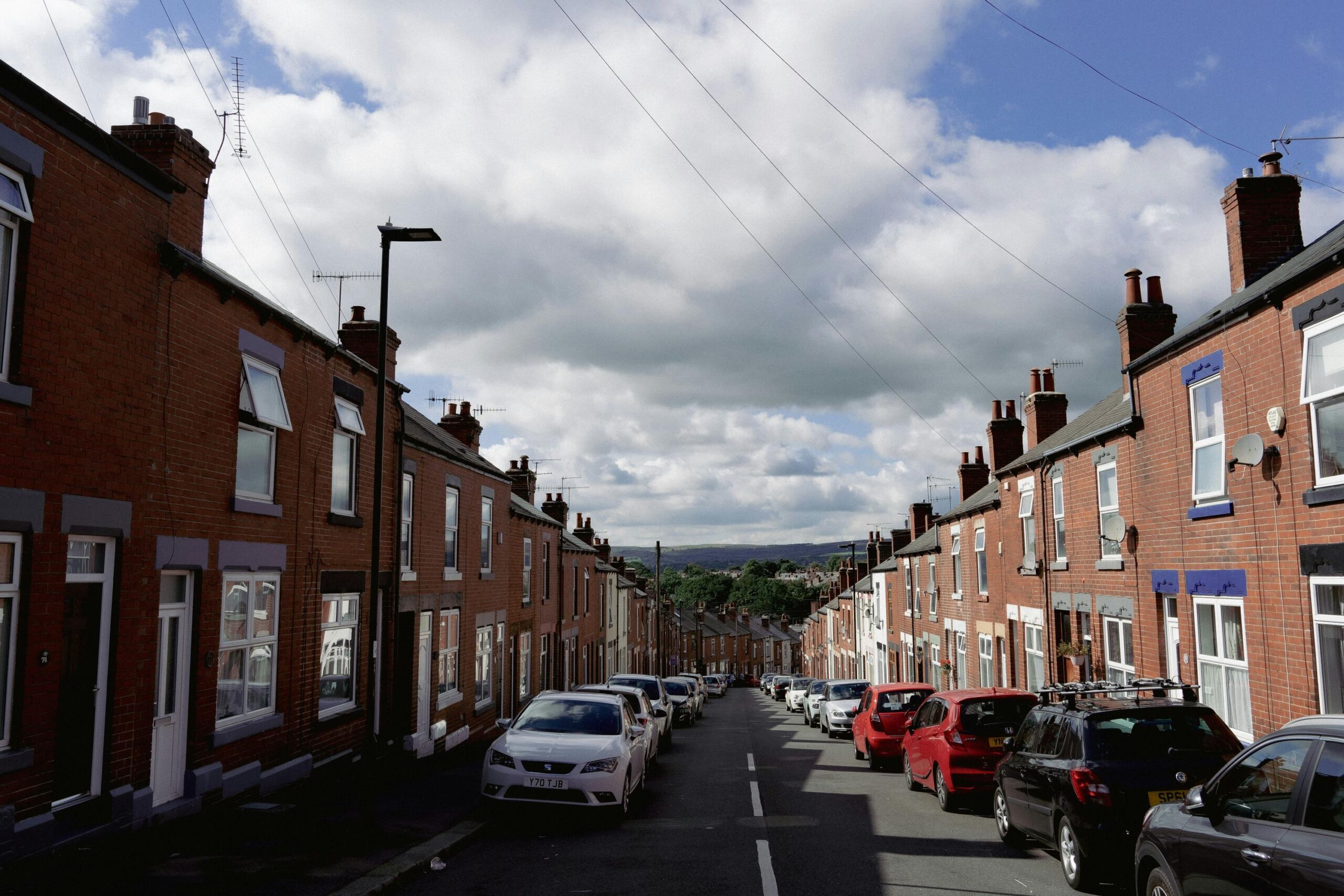
Thinking about making Sheffield your home? This guide covers what you need to know about living in England’s greenest big city, whether you are buying your first home, relocating for work or study, or weighing up an investment.
In short: Sheffield is a city of around 556,000 people built across seven hills on the edge of the Peak District. It combines big city amenities, two major universities and a fast-growing food and drink scene with house prices well below the national average. London is around two hours away by train, Leeds and Manchester are under an hour, and roughly a third of the city sits inside a national park. For buyers, renters and landlords alike, it offers a rare mix of value, lifestyle and steady demand.
Sheffield has long been filed under “former steel town” by people who have never spent a weekend here. That picture is decades out of date.
The furnaces have given way to universities, hospitals, advanced manufacturing and a creative economy that keeps graduates in the city long after their courses end. Old cutlery works in Kelham Island now house breweries, restaurants and loft apartments. The city centre is in the middle of a long regeneration programme. And you can still finish work, drive twenty minutes west and be walking along a gritstone edge with nothing but moorland in front of you.
None of that makes Sheffield perfect. The hills are real, some districts are still waiting for the investment others have already seen, and the rail link to London is good rather than exceptional. But for people who want space, character and value in one package, Sheffield deserves a much closer look than it usually gets.
This guide covers what the city is known for, what daily life feels like, transport, the property and rental markets, schools, and the honest pros and cons.
What Is Sheffield Known For?
Sheffield is best known as the Steel City. Its cutlers were famous as far back as the 14th century, and in 1913 metallurgist Harry Brearley developed stainless steel here, an invention that changed kitchens and hospitals around the world. Kelham Island Museum tells that story, complete with a working River Don steam engine that still roars into life on a regular basis.
The city also has a strong claim to being the birthplace of organised football. Sheffield FC, founded in 1857, is recognised as the oldest football club in the world, and Bramall Lane is the oldest major stadium still hosting professional matches. Sheffield United and Sheffield Wednesday keep the rivalry alive across the city every season.
Every spring the eyes of the sporting world turn to the Crucible Theatre for the World Snooker Championship, which has been held there since 1977. Sheffield Theatres, which includes the Crucible and the Lyceum, is one of the largest theatre complexes in the country outside London.
Then there is the music. From the Human League and Def Leppard to Pulp and the Arctic Monkeys, the city has produced a remarkable run of bands for its size, and the Tramlines festival in Hillsborough Park keeps that tradition going each summer.
Perhaps the thing that surprises newcomers most is how green Sheffield is. The city has more than 250 parks, woodlands and gardens, and it is often described as one of the greenest cities in Europe. Around a third of the city’s area falls within the Peak District National Park.
What Is It Like Living in Sheffield Day to Day?
Sheffield feels smaller and friendlier than its population suggests. Locals often describe it as “the biggest village in England”, and there is truth in that. Neighbourhoods have their own high streets, pubs and personalities, and the city centre is compact enough to walk across in under half an hour.
For everyday shopping, the city centre covers most needs, with Fargate, The Moor and the newer Heart of the City district at its core. Meadowhall, one of the largest shopping centres in the UK, sits to the north-east with its own tram and train stop. Independent shopping thrives on Division Street, Sharrow Vale Road, Abbeydale Road and Ecclesall Road.
Eating and Drinking in Sheffield
The food and drink scene has grown rapidly over the past decade. Kelham Island and Neepsend are now home to some of the city’s best restaurants, bakeries and taprooms, and Sheffield has a strong claim to being one of the real ale capitals of Britain, with dozens of breweries in and around the city. Street food markets, independent coffee shops and neighbourhood bistros in areas like Nether Edge, Crookes and Meersbrook mean you rarely need to travel far for a good meal.
And of course, no guide to Sheffield is complete without a mention of Henderson’s Relish, the spicy local condiment that residents defend with surprising passion.
Culture and Community
Beyond the Crucible and Lyceum, the city offers the Millennium Gallery, the Graves Gallery, the Winter Garden (one of the largest temperate glasshouses in any UK city) and the Sheffield Botanical Gardens. Sheffield DocFest draws filmmakers from around the world each year, and the Utilita Arena hosts big touring acts and ice hockey from the Sheffield Steelers.
Parks and the Outdoors
This is where Sheffield really stands apart from other major cities. Endcliffe Park leads into the Porter Valley, a string of woodland paths, ponds and old mill sites that eventually opens out onto moorland. Graves Park, Weston Park and Norfolk Heritage Park all offer generous green space close to residential streets.
Head west and you reach the Peak District in minutes. Stanage Edge, Burbage Rocks, Ladybower Reservoir and Padley Gorge are local weekend spots for walkers, climbers, cyclists and fell runners. Few cities in the UK can offer that kind of countryside on the doorstep.
Getting Around: Transport and Commuting from Sheffield
Sheffield station sits on the Midland Main Line, with East Midlands Railway services to London St Pancras International. The fastest off-peak journeys take a little over two hours. CrossCountry, Northern and TransPennine Express services link the city with Leeds, Manchester, Birmingham, York and beyond.
| Destination | Approx. Journey Time | Mode |
|---|---|---|
| London St Pancras | Around 2 hours | Train (EMR) |
| Leeds | Around 40 minutes | Train |
| Manchester Piccadilly | Around 50 minutes | Train |
| Nottingham | Around 55 minutes | Train |
| Birmingham New Street | Around 1 hour 10 minutes | Train |
| Meadowhall | Around 6 minutes | Train or Supertram |
| M1 (Junctions 33 and 34) | 10 to 20 minutes | Car |
| Peak District edges | 20 to 30 minutes | Car or bus |
Within the city, the Supertram network runs three main routes out to Hillsborough, Middlewood, Malin Bridge, Halfway, Herdings Park and Meadowhall, and the UK’s first tram-train service continues on to Rotherham. Frequent buses cover the rest of the city.
By road, the M1 runs along the eastern side of Sheffield, giving quick access north to Leeds and south to the Midlands and London. The A57 and A6187 head west across the Peak District towards Manchester and the Hope Valley. For airport travel, Manchester Airport is around an hour away by road, and East Midlands Airport is slightly further.
For people working hybrid patterns, the combination of a two-hour London link, sub-hour connections to Leeds and Manchester, and lower living costs makes Sheffield a genuinely practical base.
The Property Market in Sheffield
Sheffield offers far more for your money than most UK cities of its size. According to the Office for National Statistics, the average house price in Sheffield was £221,000 in May 2026, up 3.5% on the year before. First-time buyers paid an average of £195,000, while home movers paid around £265,000. Semi-detached homes saw the strongest growth, rising 4.7% over the year.
The headline average hides a very wide range. Recent price guides put average house prices in the S17 postcode (Dore and Totley) at over £570,000 and S11 (Ecclesall, Nether Edge and surrounding areas) at around £470,000. At the other end of the scale, parts of the east of the city, such as S4 and S9, average well below £170,000. An average flat costs around £135,000.
Popular Areas at a Glance
- Dore, Totley, Fulwood and Ranmoor: The most expensive parts of the city, with large detached homes, top schools and direct access to the Peak District.
- Ecclesall, Nether Edge and Sharrow: Leafy Victorian streets, independent shops and a strong family market.
- Crookes, Walkley and Hillsborough: Terraced homes with big views, popular with young professionals and first-time buyers, and close to the University.
- Kelham Island and Neepsend: Converted industrial buildings and new-build apartments in the heart of the food and drink scene. Popular with renters and investors.
- Meersbrook, Heeley and Woodseats: Characterful, more affordable areas with growing appeal as buyers are priced out of the south-west.
- City Centre: Apartment living, strong demand from students and young professionals, and the biggest concentration of regeneration activity.
If you are thinking about selling, getting the asking price right for your specific street matters more in Sheffield than in many cities, because prices can change sharply within a mile. A local Sheffield estate agent who understands how school catchments, tram access and views affect value will give you a far more reliable figure than an online estimate.
Renting and Investing in Sheffield
Sheffield’s rental market is busy all year round. The ONS reported that average private rent in Sheffield reached £925 a month in June 2026, up 4.4% on the year before. That is still well below the UK average of £1,388, which helps explain why so many graduates and young professionals stay in the city.
Demand comes from several directions at once:
- Students: The University of Sheffield (a Russell Group university) and Sheffield Hallam University together bring tens of thousands of students to the city, supporting a large market for shared houses and purpose-built accommodation.
- Healthcare workers: The Northern General and Royal Hallamshire hospitals are among the largest employers in the region.
- Young professionals: Graduates who stay on to work in digital, creative, engineering and public sector roles.
- Families: Relocating households who rent before committing to a particular area.
For landlords, the combination of relatively low purchase prices and solid rents can produce attractive yields, particularly in areas like Hillsborough, Crookes and the city centre. That said, letting in Sheffield comes with its own responsibilities, including deposit protection, safety certificates and, for shared houses, HMO licensing. Many owners choose to work with a Sheffield letting agent to handle tenant referencing, compliance and day-to-day management, especially if they live outside the city.
Short Stays and Serviced Accommodation
Sheffield also has a steady short-stay market. Contractors working on regeneration and manufacturing projects, hospital staff on placement, visiting families during university open days and graduations, snooker fans in April and May, and walkers heading for the Peak District all need somewhere to stay. Well-located apartments and houses near the city centre, the hospitals or the train station can perform well as short lets.
Running a short let is more hands-on than a standard tenancy, with frequent cleaning, guest communication and pricing changes across the seasons. Before you start, check your mortgage terms, lease and insurance allow short lets. Owners who would rather not manage bookings themselves often look at serviced accommodation management in Sheffield to keep occupancy steady and the property guest-ready.
Schools and Universities in Sheffield
Sheffield has a wide choice of primary and secondary schools, and catchment areas play a big part in where families choose to buy. Schools in the south-west of the city, including Tapton, Silverdale, King Edward VII and High Storrs, are consistently popular, and homes within their catchments tend to command a premium.
The independent sector includes Birkdale School and Sheffield Girls’ School, and there are well-regarded faith schools such as Notre Dame High School and All Saints Catholic High School. Sheffield College and a number of school sixth forms provide post-16 options.
Ofsted introduced a new report card system for school inspections from late 2025, so it is worth reading each school’s latest report directly rather than relying on older one-word grades. Families should also confirm catchment boundaries with Sheffield City Council before committing to a purchase, as they can affect admissions significantly.
At university level, Sheffield is one of the UK’s leading student cities. The University of Sheffield has a strong international reputation in engineering, medicine and the sciences, while Sheffield Hallam is one of the largest universities in the country, with particular strengths in teaching, health and sport. The nearby Advanced Manufacturing Research Centre links university research with industry partners such as Boeing and McLaren.
Pros and Cons of Living in Sheffield
Sheffield suits people who want the amenities of a major city without big city prices, and who value easy access to the outdoors. Whether it is the right fit depends on what you prioritise.
The Pros of Living in Sheffield
- House prices are well below the national average, with an average price of £221,000 and first-time buyers paying around £195,000
- Rents are also lower than in most comparable cities, averaging £925 a month against a UK average of £1,388
- Around a third of the city lies within the Peak District National Park, with countryside minutes from most neighbourhoods
- Two major universities and large teaching hospitals create a diverse job market and steady rental demand
- A thriving independent food, drink and music scene, particularly in Kelham Island, Sharrow Vale and Nether Edge
- Strong rail links to Leeds and Manchester in under an hour, and London in around two
- A friendly, community-minded atmosphere that newcomers frequently mention
The Cons of Living in Sheffield
- The hills are steep. Cycling and walking with buggies or shopping can be hard work in some areas
- Journey times to London are slower than from Leeds, York or Doncaster on the East Coast Main Line
- Prices and investment vary sharply between the west and east of the city, so location research matters
- Some parts of the city centre are still mid-regeneration, with ongoing building work
- Winters can be wet and grey, and higher areas such as Dore and Totley see more snow than the city centre
Final Thoughts
Sheffield’s old reputation as a gritty industrial city has not kept pace with what the city has become. It is green, creative and remarkably good value, with a property market that rewards people who take the time to understand its neighbourhoods. Families get space and strong schools, professionals get affordable living with good connections, and investors get dependable demand from students, healthcare workers and visitors.
The hills and the London journey time are fair trade-offs rather than deal-breakers for most people. If you value character, countryside and a genuine sense of community, Sheffield is well worth a visit, and quite possibly a move.
Frequently Asked Questions
Is Sheffield a nice place to live?
Yes, for most people. Sheffield combines affordable property, a strong cultural scene, two universities and unrivalled access to the Peak District. It is regularly praised for its friendly atmosphere and green spaces. As with any city, the experience varies by neighbourhood, so it is worth visiting several areas before deciding.
How much does a house cost in Sheffield?
The ONS put the average house price in Sheffield at £221,000 in May 2026. First-time buyers paid around £195,000 on average. Prices range from well under £150,000 in parts of the east of the city to over £500,000 in Dore, Totley and Fulwood.
How long does it take to get from Sheffield to London?
The fastest East Midlands Railway trains from Sheffield to London St Pancras International take a little over two hours. Driving via the M1 typically takes around three to three and a half hours, depending on traffic.
What are the best areas to live in Sheffield?
It depends on your priorities. Families often favour Ecclesall, Fulwood, Dore and Nether Edge for schools and green space. Young professionals like Kelham Island, the city centre, Crookes and Walkley. Buyers looking for value and character are increasingly drawn to Meersbrook, Heeley, Woodseats and Hillsborough.
Is Sheffield a good place to invest in property?
Sheffield’s mix of low purchase prices, rising rents and a large student and healthcare workforce makes it attractive to many investors. Average rents rose 4.4% in the year to June 2026. Returns vary widely by area and property type, so local market knowledge and careful compliance planning are important.
What is Sheffield known for?
Sheffield is known as the Steel City, the birthplace of stainless steel and home to the world’s oldest football club. It hosts the World Snooker Championship at the Crucible Theatre every year, has produced bands including Pulp and the Arctic Monkeys, and is one of the greenest cities in the UK, with a third of its area inside the Peak District National Park.