Interest Rates Rise to 4%: What It Means for Landlords, Buyers and Sellers

On 5 November 2026, the Bank of England raised interest rates for the first time in more than three years. The Monetary Policy Committee voted 8 to 1 to increase Bank Rate by 0.25 percentage points, from 3.75% to 4%. One member wanted a bigger rise, to 4.25%.
For anyone with a mortgage, a property to sell, or plans to buy, it is an important moment. This guide explains why rates went up, what has already happened to mortgage rates and house prices, and what landlords, buyers and sellers should consider next.
Why Did the Bank of England Raise Rates?
The main reason is energy prices. The conflict in the Middle East, now in its ninth month, has pushed global oil and gas prices sharply higher. UK inflation rose to 3.5% in September, and the Bank now expects it to reach around 5% by the middle of 2027 before falling back.
The Bank’s worry is that higher energy bills could feed through into wider price and wage rises. With the economy growing faster than expected this year, it decided a modest rate rise was needed to keep inflation in check. It has said rates are not on a pre-set path and that future decisions will depend on the evidence. The next decision is due on 17 December 2026.
What Has Happened to Mortgage Rates?
Much of the impact arrived before the decision itself. Lenders price fixed-rate mortgages using swap rates, which reflect where markets expect interest rates to go, and those rose well ahead of 5 November.
Here is where things stand:
- The Moneyfacts average new mortgage rate reached 5.89% at the start of November, a three-year high and up from 5.83% in October
- Quoted rates on 75% and 90% loan-to-value two-year fixes have risen by around 0.6 percentage points since July, according to the Bank of England
- The average fixed-rate buy-to-let mortgage stood at 5.79% at the start of October
- Tracker and variable rates move straight away. Nationwide, for example, is raising its standard mortgage rate from 6.49% to 6.74% from 1 December 2026
The Bank expects average annual mortgage payments to be around £1,500 higher by the end of 2029 than before the conflict began, as more borrowers come off older, cheaper deals.
What it means for your existing mortgage
| Mortgage type | Effect of the rate rise |
| Fixed rate | No change until your deal ends |
| Tracker | Payments rise by 0.25 points, usually within weeks |
| Standard variable rate | Likely to rise, at your lender’s discretion |
| Deal ending in the next six months | You will likely remortgage at a higher rate than your current one |
What Is Happening to House Prices?
The housing market has cooled. The Bank of England reports that mortgage approvals for house purchases fell by 8% in the three months to September, reaching their lowest monthly level since 2023. The ONS house price index fell by 0.8% in the three months to August. Savills now expects house prices to fall by around 1.5% in 2027 because of higher mortgage rates.
That said, the picture is not one of collapse. Unemployment has fallen to 4.7%, the economy has been resilient, and well-priced homes in popular areas are still selling. What has changed is that buyers are more cautious and more price sensitive, so pricing correctly from day one matters more than it has for several years.
What It Means for Landlords
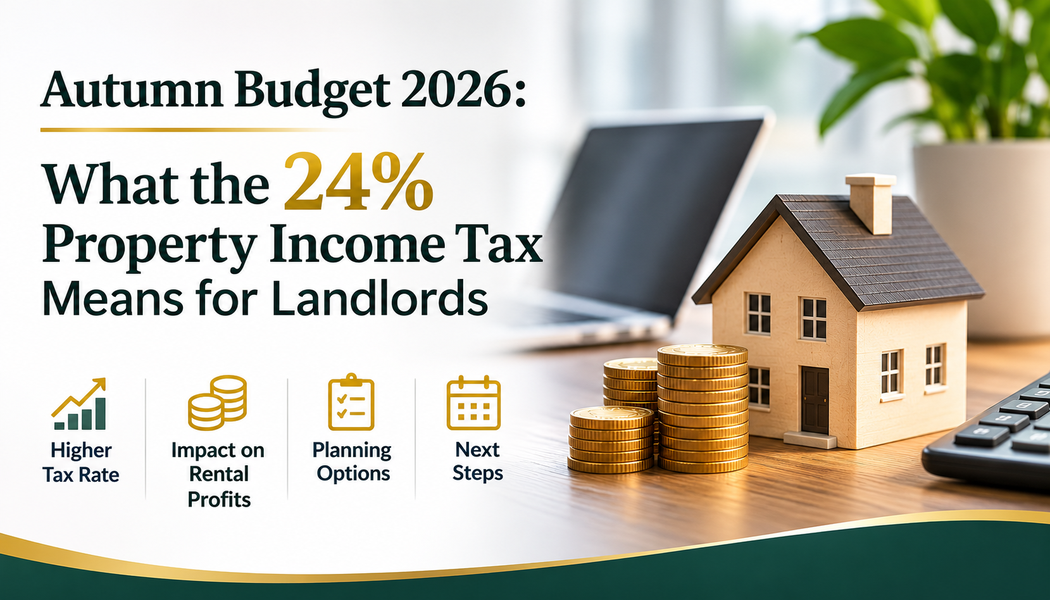
Landlords face a double squeeze. Higher mortgage rates arrive just months before the property income tax rise in April 2027, when rental profits will be taxed at 24%, 44% or 49%. Individual landlords also still cannot deduct mortgage interest as an expense, receiving only a basic-rate tax credit instead.
The good news for landlords is demand. Higher mortgage rates make buying harder, which tends to keep more people renting for longer. The Office for Budget Responsibility has already said rents are more likely than not to rise steadily as rental supply tightens.
What landlords should do now
- Check when each fixed rate ends. Many lenders let you secure a new rate three to six months before your current deal ends. Speak to a broker early rather than drifting onto a standard variable rate.
- Stress test each property. Work out what each one earns at today’s mortgage rates and after the April 2027 tax rise.
- Review your rents. A current rental valuation shows whether your rent is in line with the market.
- Cut void periods. An empty month costs far more when your mortgage payments have gone up.
- Decide whether to hold, restructure or sell. For some properties the numbers still work well. For others, selling or restructuring may make more sense. Get tax advice before making a decision.
If you would like help, our property management packages cover everything from rent collection to full management, and our investor services include yield analysis for your portfolio. Our earlier guide to what the Autumn Budget means for landlords covers the tax side in detail.
What It Means for Buyers
Higher rates reduce how much you can borrow and increase your monthly payments. But a cooler market also brings advantages: less competition, more room to negotiate and sellers who are more open to sensible offers.
Tips for buyers
- Get a mortgage agreement in principle now. It shows sellers you are serious and tells you exactly what you can afford.
- Lock in a rate early. Mortgage offers are often valid for three to six months, which can protect you if rates rise further.
- Compare two-year and five-year fixes. The right choice depends on how long you plan to stay and how much certainty you want.
- Budget for higher payments. Leave a margin in case rates stay higher for longer.
- In a slower market, the asking price is a starting point, not a final figure.
You can browse our properties for sale, or rent while you wait if buying does not make sense right now.
What It Means for Sellers
If you are selling, the most important thing is to price realistically. Buyers are borrowing at higher rates, have more choice and are less willing to overpay. Homes that launch at the right price still attract strong interest, while overpriced homes tend to sit on the market and end up selling for less after reductions.
Tips for sellers
- Get an accurate valuation. Base your price on recent local sales, not last year’s headlines or online estimates.
- Present the property well. First impressions matter more when buyers have more choice.
- Think about timing. With the Bank saying future decisions depend on the evidence, waiting for rates to fall carries its own risk.
- Landlords selling with tenants in place: this can widen your market to investors, but it affects price and timescales.
If you are thinking about selling in Sheffield, Didcot, Wallingford or elsewhere, a local estate agent can tell you what your home is realistically worth in today’s market. You can also book a free valuation with our team.
Will Interest Rates Rise Again?
Nobody knows for sure. The Bank of England has said it will decide meeting by meeting, depending on how far energy prices feed into wider inflation. Before the November decision, financial market participants surveyed by the Bank expected one more rise to 4.25% in February 2027, with rates falling to around 3.5% in two to three years.
Rather than trying to time the market, the safest approach is to plan for rates staying around current levels for a while, and to treat any future cuts as a bonus.
How Legacy PSL Can Help
Whether you are a landlord reviewing your portfolio, a buyer looking for the right home or a seller wanting an honest valuation, our team can help you make a clear decision in a changing market. Contact us to talk it through.
Frequently Asked Questions
What is the Bank of England base rate now?
Bank Rate is 4% after the Bank of England raised it from 3.75% on 5 November 2026. It was the first rise since August 2023.
When is the next interest rate decision?
The next Bank of England decision is due on 17 December 2026.
Will my mortgage payments go up?
If you are on a fixed rate, your payments will not change until your deal ends. Tracker mortgages usually rise straight away, and standard variable rates are likely to rise at your lender’s discretion.
Are house prices going to fall?
The market has cooled, with mortgage approvals down and the ONS index falling 0.8% in the three months to August. Savills expects prices to fall by around 1.5% in 2027, but local markets vary widely.
Is now a good time to sell a buy-to-let property?
It depends on the property’s returns, your mortgage, your tax position and local demand. Higher rates and the April 2027 tax rise are squeezing profits, but rental demand remains strong. Get a valuation and tax advice before deciding.
Is it a good time to buy?
Higher rates make borrowing more expensive, but a quieter market means less competition and more room to negotiate. If you can afford the payments comfortably, it can still be a good time to buy.
Sources
- Bank of England: Monetary Policy Report, November 2026
- Mortgage Professional: Mortgage rates hit three-year high
- Which?: Buy-to-let mortgage rates
- Nationwide: Base rate changes and your mortgage
- Savills: UK housing market forecast
This article is for general information only and is not financial or mortgage advice. Speak to a qualified mortgage adviser about your own circumstances