
EPC Updates 2025: What Every UK Landlord Needs to Know
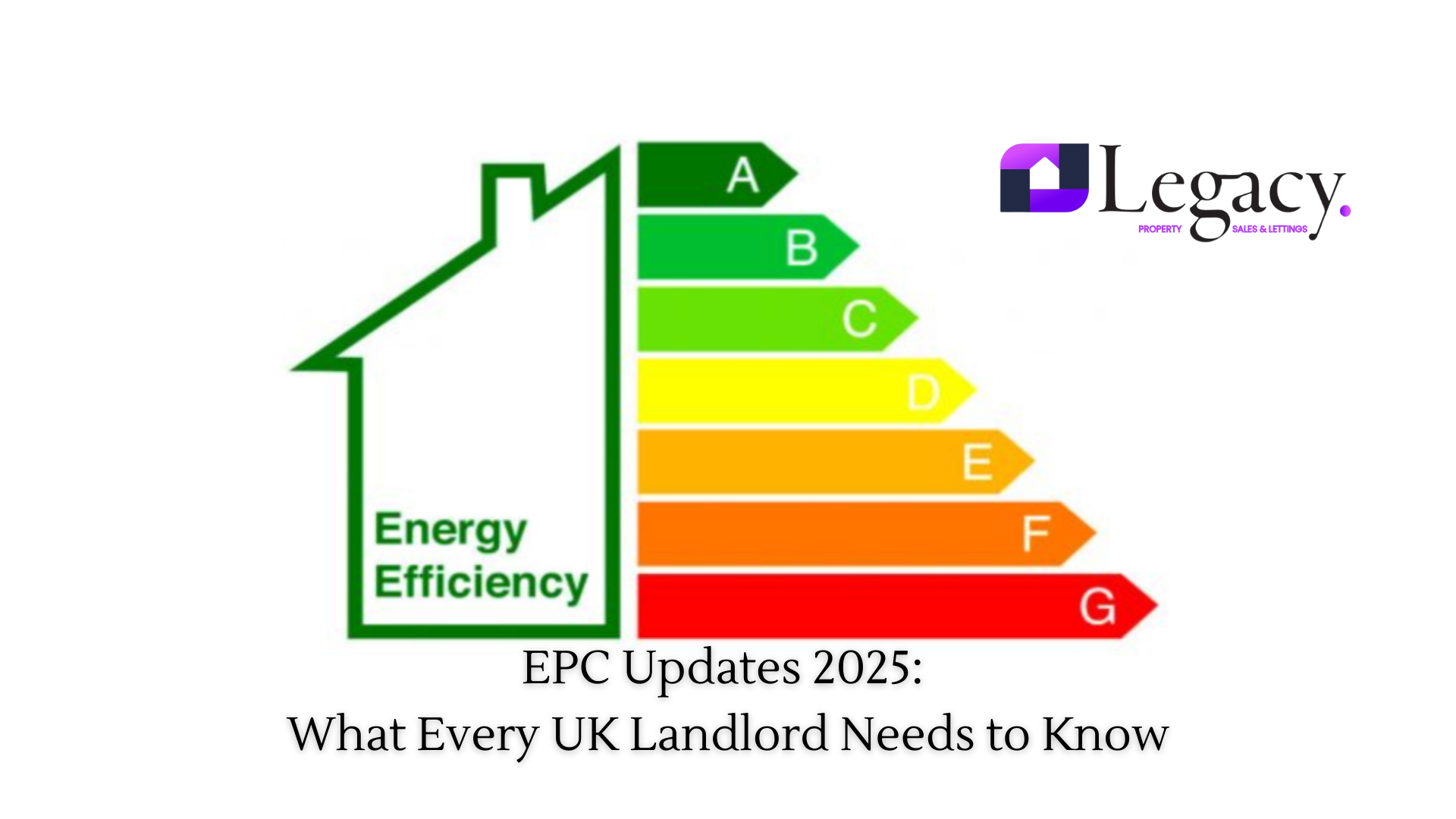
This section explains the EPC updates in 2025 and what every UK landlord needs to know, including new requirements, compliance deadlines, and how they impact property standards.
- Introduction
- What Is an EPC and Why It Matters
- What’s Changing in 2025?
- Minimum EPC Requirements for Landlords
- How EPC Ratings Impact Landlords
- Common EPC Improvement Strategies
- The Cost vs Benefit of EPC Upgrades
- How Legacy PSL Helps Landlords Stay Compliant
- Common Mistakes Landlords Should Avoid
- Why EPC Compliance Is a Competitive Advantage
- Thinking of Letting Your Property? Start with a Free Online Valuation
- FAQs
- Final Thought
Introduction
Energy efficiency is no longer just a selling point it is becoming a legal and financial necessity.
In 2025, updates around Energy Performance Certificate (EPC) regulations are placing increasing pressure on landlords to improve property standards.
For landlords, this is not just about compliance
it is about protecting rental income, maintaining property value, and staying competitive in a changing market.
What Is an EPC and Why It Matters
An Energy Performance Certificate (EPC) regulations measures how energy-efficient a property is, rating it from A (most efficient) to G (least efficient).
It is required when:
- Letting a property
- Selling a property
- Renewing certain tenancy agreements
EPC ratings influence both legal eligibility and market appeal.
What’s Changing in 2025?
The UK government continues to push towards higher energy standards.
Key developments include:
- Increased focus on improving EPC ratings for rental properties
- Greater enforcement of existing minimum standards
- Stronger emphasis on energy efficiency upgrades
- Future targets aiming for higher minimum ratings
The direction is clear:
Landlords will need more energy-efficient properties to remain compliant.
Minimum EPC Requirements for Landlords
Currently, most rental properties must meet at least:
EPC rating of E or above
However, future expectations are moving towards:
EPC rating of C (proposed target)
What this means:
- Properties below required standards may not be legally lettable
- Upgrades may become unavoidable
Acting early can help avoid last-minute costs and restrictions.
How EPC Ratings Impact Landlords
1. Legal Compliance
Failure to meet EPC requirements can result in:
- Fines and penalties
- Restrictions on letting the property
2. Rental Demand
Tenants are increasingly prioritising:
- Lower energy bills
- Comfortable living conditions
Higher EPC ratings improve tenant appeal.
3. Property Value
Energy-efficient homes often:
- Sell faster
- Achieve higher prices
- Attract better tenants
EPC improvements can increase both rental and resale value.
Common EPC Improvement Strategies
Improving your EPC rating does not always require major renovations.
1. Insulation Upgrades
Loft and wall insulation can significantly improve efficiency.
2. Efficient Heating Systems
Upgrading boilers or heating controls can boost ratings.
3. Double Glazing
Reduces heat loss and improves comfort.
4. Energy-Efficient Lighting
Simple upgrades like LED lighting make a difference.
Small improvements can lead to measurable rating increases.
The Cost vs Benefit of EPC Upgrades
Many landlords worry about costs but improvements often deliver long-term value.
Costs:
- Initial investment in upgrades
Benefits:
- Higher rental income potential
- Reduced vacancy periods
- Increased property value
- Future compliance readiness
EPC upgrades should be viewed as an investment, not just an expense.
How Legacy PSL Helps Landlords Stay Compliant
At Legacy Property Sales & Lettings, well-structured processes embed control into every stage of execution. The objective is not just efficient lettings, but fewer issues, clearer accountability, and stronger compliance throughout the tenancy lifecycle.
We support landlords by:
- Advising on EPC requirements and upgrades
- Ensuring compliance with current regulations
- Helping position properties for maximum appeal
- Managing the full letting process
This ensures your property remains compliant, competitive, and profitable.
Common Mistakes Landlords Should Avoid
1. Ignoring EPC Ratings Until Too Late
Last-minute upgrades can be costly and stressful.
2. Underestimating Improvement Costs
Planning ahead helps manage expenses.
3. Assuming Compliance Will Not Change
Regulations are evolving preparation is key.
4. Not Seeking Professional Advice
Expert guidance can optimise both cost and outcome.
Proactive action prevents future disruption.
Why EPC Compliance Is a Competitive Advantage
In 2025, compliant and efficient properties:
- Attract more tenants
- Command better rental prices
- Reduce long-term risks
Landlords who act early will outperform those who delay.
Thinking of Letting Your Property? Start with a Free Online Valuation
Understanding your property’s rental potential alongside its compliance position is the first step.
At Legacy Property Sales & Lettings, we offer a free, no-obligation online valuation to help you assess your property’s market position and maximise its performance.
Start today and ensure your property is ready for the future of renting.
FAQs
What is the minimum EPC rating to rent a property?
Currently E, but future targets may require C.
Do I need to upgrade my property now?
If your rating is low, early improvements are recommended.
How can I improve my EPC rating quickly?
Insulation, heating upgrades, and lighting improvements are effective.
Will EPC rules change further?
Yes, regulations are expected to tighten over time.
Final Thought
EPC updates are not just a regulatory requirement they are shaping the future of property.
Landlords who act early will protect their investments, attract better tenants, and stay ahead of the market.
Legacy Property Sales & Lettings helps you stay compliant, competitive, and confident in 2025 and beyond.
Contact us now: 01235 376067
Email: sales@legacypsl.co.uk
Website: legacypsl.co.uk
Follow us: LinkedIn | Instagram